Dumitru Mutașcu, known as Fus (and also as Iascu), had also been part of Colonel Ion Uță's group and had managed to escape the action that destroyed it. Though wounded, he reached the outskirts of his village, Verendin, and sent word to his son through a neighbour. The son helped him dig a shelter in the ground, and they covered it with stable manure as camouflage. Having thick clothes, he did not need to light a fire, and until spring (1949) he was supplied by his son. Mutașcu was regarded as a good fighter, brave and determined. But "he was more two-faced. If you crossed him, you risked him killing you without blinking." Around April 1949 Iancu Baderca and Dumitru Mutașcu headed for the Cornereva Mountains to meet Pavel Vădrariu, Iosif Baderca and Dumitru Ișfănuț. Once together, they agreed to reorganise the group, choosing Dumitru Mutașcu as leader and Dumitru Ișfănuț as his deputy. Their immediate aim was to find the other members of the Uță group and fix a meeting for October 1949. Note that in the documents and oral sources the leader of this subgroup is sometimes given as Dumitru Mutașcu, sometimes as Dumitru Ișfănuț. From the testimonies we know that Ișfănuț and Mutașcu knew the mountains of their area very well. As Dumitru Ișfănuț was older, the younger partisans listened to him, and he proved an exemplary comrade. He had a keen sense of justice, and in his years in the resistance the peasant from Domașnea spread terror among the activists, militiamen and Securitate men in his area of operation. In the following years Mutașcu and Ișfănuț would be sometimes the leaders of the enlarged partisan group, sometimes the heads of small teams. The partisans of this little group had tried to show at least the rudiments of a uniform; for example, they wore caps with the Romanian tricolour pinned on.
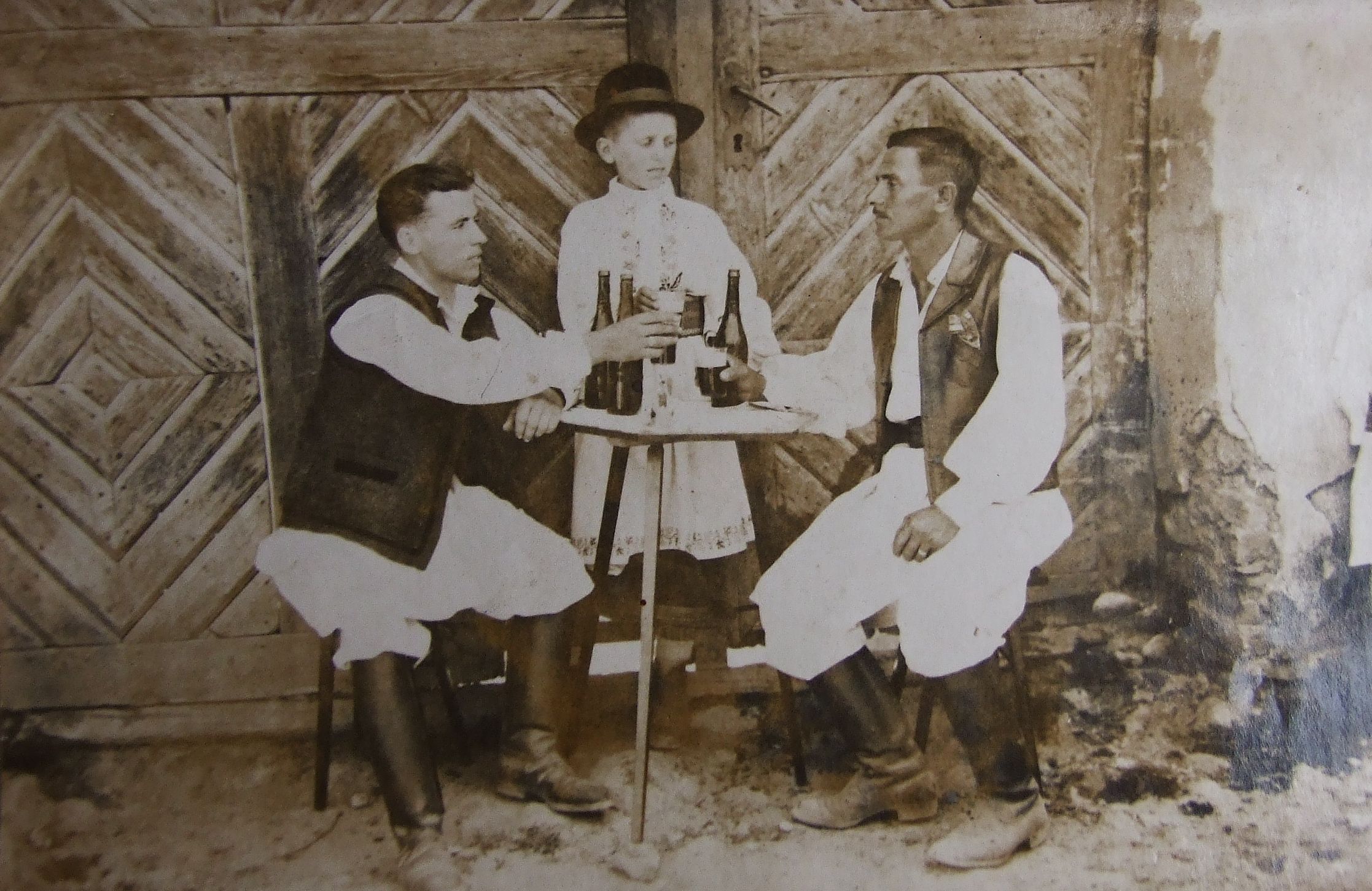
Dumitru Ișfănuț-Sfârloagă (right) and his son Ion (centre)
At certain times "the remnants of the Uță group" came together to strike major blows against the communist authorities and their loyalists. In the summer of 1949 the Banat partisans got in touch with the group of Vasile Luță from the village of Brebina, commune of Florești, Mehedinți County. To get money, Luță proposed attacking the State Bank in Baia de Aramă. Fifteen partisans gathered (most of them from Banat): Vasile Luță, Ion Duicu, Dumitru Ișfănuț, Nistor Duicu, Petru Duicu, Petru Românu, Ion Ciovică, Gheorghe Cristescu, Nicolae Lalescu, Gheorghe Stănescu (from northern Oltenia), Dumitru Mutașcu, Victor Curescu, Ioan Ene, Gheorghe Serengău and Stelian Berbecaru. They split into three teams, commanded by Vasile Luță, Ion Duicu and Dumitru Mutașcu ("Fus"), to slip unseen towards the target. But some of the partisans changed their minds and no longer wanted to take part. Those who remained learned from a woman who supported the group that the Securitate had been told of their plan by two communist activists, neighbours of Vasile Luță: Romulus Bengescu, secretary of the village cell of the Romanian Workers' Party, and Gheorghe Zgândar, also a party member in the same village. The action was called off, and reprisals were taken instead against the two communists, who were taken from their homes on the night of 24-25 August 1949. From the rifle-butt blows to the head dealt by Luță, Ișfănuț and Serengău, Bengescu died on the spot, while Zgândar was left unconscious but survived. The two were beaten because Luță wanted revenge. Afterwards the Banat men set off back to their own area, while the Oltenians stayed. In Mehedinți County the partisans had a clash with a patrol of three militiamen, who were disarmed, their weapons and cartridges taken, and then released. The Securitate documents are not very precise about the make-up and leadership of the "remnants" of the Ion Uță group. In a Securitate summary of 2 September 1949, for instance, the group led by the Duicu brothers was thought to number 14-15 people. The partisans put up portraits of the royal family in various communes and sent threatening letters to the authorities. Probably to discredit them, the Securitate did not forget to mention that the rebels committed "acts of rape against women". The same summary also mentioned the group led by Dumitru Ișfănuț, 10 men strong, located at the foot of the Semenic Mountains. It was thought to be either a "remnant" of the Uță group or a merger of the "remnants" of the Uță group with those of the Blănaru group. It was also claimed that most of its members were Legionnaires, which was simply false, operating in the Teregova-Cornereva-Domașnea area.
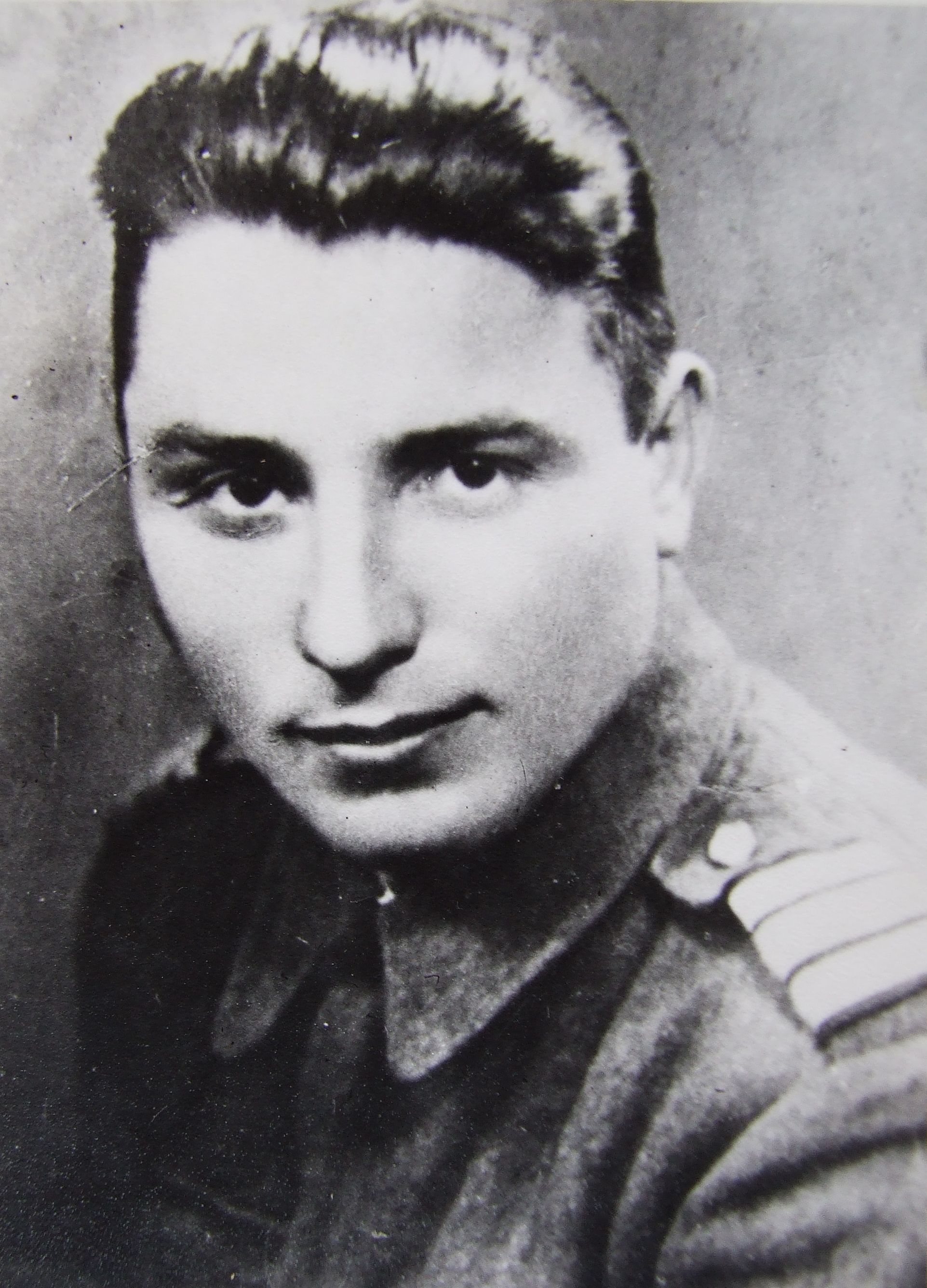
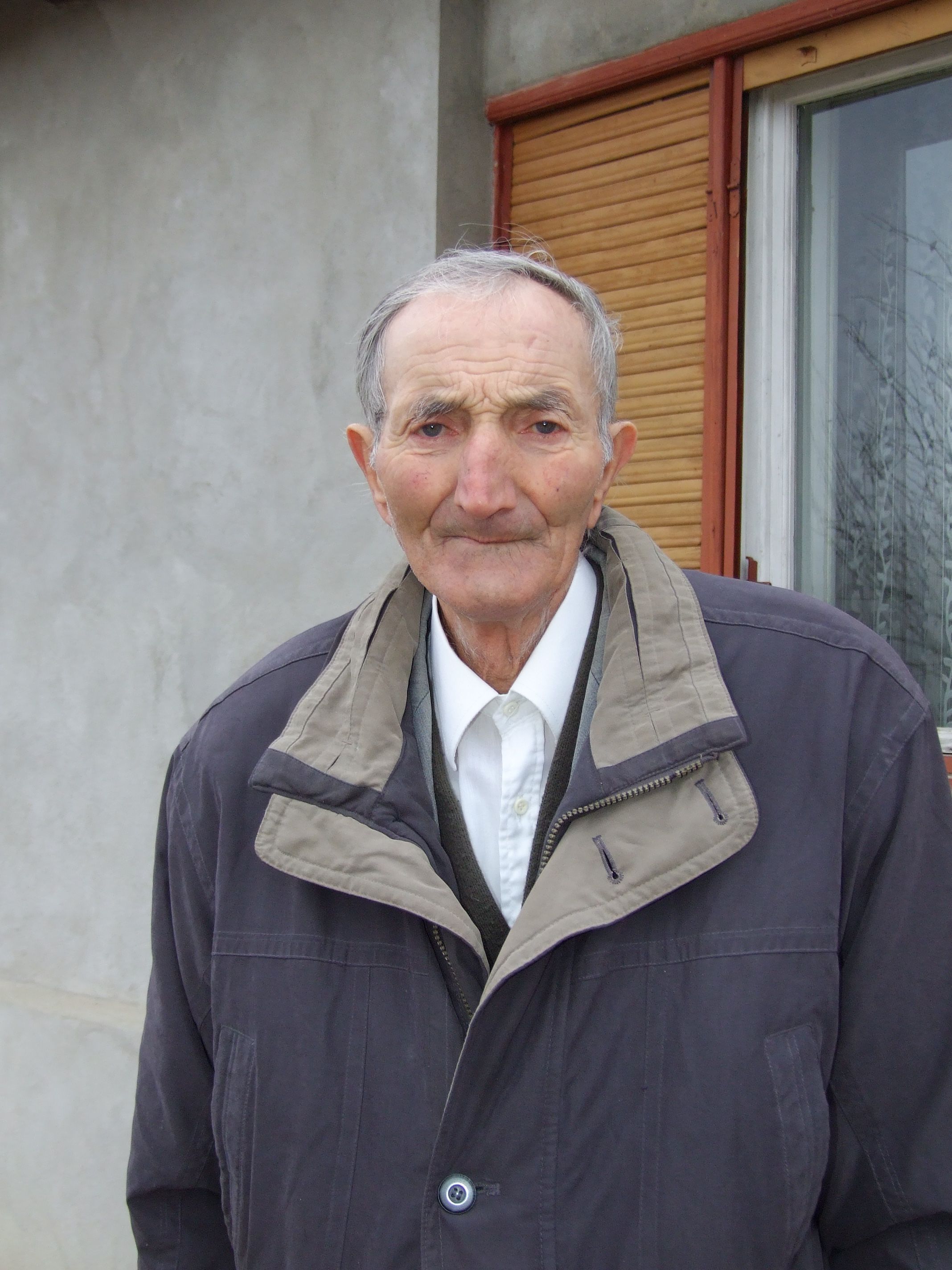
In August-September 1949 the group was reorganised in the commune of Verendin, where Iancu Baderca, Ion Caraibot, Dumitru Mutașcu, Gheorghe Serengău and Victor Curescu met. In October 1949 it was decided that the group, made up of Dumitru Mutașcu, Dumitru Ișfănuț, Maria Vlădescu, Victor Curescu, Gheorghe Serengău, Nistor Duicu, Ion Duicu, Petru Duicu, Ghiță Gaia, Ion Caraibot, Pavel Vădrariu, Iosif Baderca and Iancu Baderca, would split into three smaller bands, led by Dumitru Mutașcu, Dumitru Ișfănuț and Nistor Duicu.
Split into three groups, the partisans sheltered in different places in the winter of 1949-1950. One group consisted of Dumitru Mutașcu, Gheorghe Serengău and Victor Curescu. The second core included the brothers Ion, Nistor and Petru Duicu, Petru Românu, Gheorghe Cristescu, Nicolae Lalescu (Furconi) and others, and was in the area of Domașnea. The third group, led by Dumitru Ișfănuț and made up of Iosif Baderca, known as Gherghiniță, Pavel Vădraru, Iancu Baderca (these three were cousins) and Ion Caraibot, built a dugout in the Cătelei Valley, at Lazul (Cracul) lui Negrilă, 4 (or 7) km from the commune of Pârvova, where they stored food for the winter. These partisans were discovered by the authorities on 12 February 1950, but the sentry raised the alarm in time and the partisans got away, taking only their weapons and ammunition. They settled in a shelter at "Dosul Lazului", supplied by Iosif Fotoc. They stayed there until 10 March 1950, when the group under Ișfănuț split in its turn. Iancu Baderca and Ion Caraibot, known as Ciovică, went to Luncavița, sheltering in the forest next to the latter's garden. They were supported by Ciovică's mother and his uncle, Dumitru Caraibot.
The Mutașcu-Ișfănuț subgroup
Dumitru Mutașcu, known as Fus, was sentenced to death in absentia on 2 March 1950. In June 1950 Dumitru Mutașcu's group, six people strong, was hiding around Mehadia, towards Poiana Mușuroaiei and Mărgănița. In July 1950 it reportedly had three members, its main area of activity being around the commune of Verendin, Severin County. On 24 July 1950 they reportedly killed a poor peasant from that commune, but we do not know why, or whether he was a party member and a Securitate informer involved in hunting the partisans. In any case, we know the partisans were merciless towards their enemies, especially party activists and informers. In May 1950, for example, they shot Cala Munteanu, a deputy in the People's Council of Verendin. Floarea Dobre, a party member, wife of the president of the Provisional Committee of the commune of Rusca and proposed as president of the Collective Agricultural Farm, was shot dead on 20 August 1950.
While some members were arrested, some of the supporters joined the group. That was the case of Nicolae Ciurică from Baia de Aramă, Mehedinți County. His father had been detained back in 1949 for supporting Colonel Ion Uță's group. Young Ciurică (he was 18 or 19) was arrested in July 1950 in the commune of Satcu, at the farm of a well-off man, a former National Peasant Party deputy and a friend of his father. The Securitate men who took him away told him they were going to Craiova to meet his father. Sensing what awaited him, Nicolae Ciurică managed to jump from the train between Teregova and Poarta and fled to the partisans in the mountains. He met Nistor Duicu, Dumitru Ișfănuț, Dumitru Mutașcu and the others and stayed with them for the next four years. On joining the group he took an oath (apparently a repeat of an older one, drawn up by Colonel Ion Uță), which included the words: "I swear that I will say nothing if I am caught and will not reveal any secret [...] Traitors, whoever they may be, shall be punished by death!"
On 25 August 1950 the partisans were reported around the communes of Obârșia and Cloșani, Mehedinți County. Most of the group's members, Dumitru Mutașcu, Maria Vlădescu, Victor Curescu, Nistor Duicu, Gheorghe Serengău, Ion Caraibot and Iancu Baderca, came together on 26 October 1950 at the two shelters they had built for the winter. Nistor Duicu kept up the group's morale, telling the other partisans that the war would soon begin and that they would support the American armies in removing the communist regime from Romania.
Dumitru Ișfănuț and Nicolae Ciurică were surrounded on the night of 1-2 November 1950 in the house of Gheorghe Badiu (or Batiu) in Domașnea, a relative of Ișfănuț, through a betrayal arranged by a supporter, a woman named Anastasia Benghia, known as Stașia, the former wife of the partisan Ghiță Urdăreanu, who died in the fight at Pietrele Albe fought by the Gheorghe Ionescu-Spiru Blănaru group on 22 February 1949. Stașia Benghia had brought food to the partisans during the summer. She came to Badiu's house too, and meanwhile the Securitate men surrounded it. As soon as she left, the troops opened fire on the building without any warning. The two partisans returned fire with guns and grenades, then split up, going in different directions. The first to break out of the encirclement was Ișfănuț, and then, after several attempts, Ciurică.
Even so, the authorities did not have a clear enough overall picture of this band, thought to have seven members in November 1950. Its area of activity was rather vaguely defined as "Severin County". The Securitate was working to build an information network to pin down exactly where the partisans were hiding.
At the end of 1950 the Securitate reported two anti-communist groups in the Severin region, "remnants" of Colonel Uță's band. One was led by Dumitru Ișfănuț, known as Sfârloagă, and the other by Dumitru Mutașcu, known as Fus. During the winter of 1950-1951 the two groups merged under Dumitru Ișfănuț's leadership and sheltered in the Semenic Mountains, between the communes of Verendin and Văliug in Caraș. The members of the band were Nistor Duicu of Domașnea; Ioan Caraibot of Luncavița; Victor Curescu, Gheorghe Serengău and Maria Vlădescu of Verendin; Nicolae Ciurică of Baia de Aramă, Gorj region; and Iancu Baderca of Mehadica. In February 1951, however, the group was said to have only three members, and the Securitate attributed "several murders and robberies" to it. Later they were joined by Maria Vădrariu, Dumitru Mutașcu's lover, and Gheorghe Balica. The latter was from the commune of Văliug, Caraș County, and the Securitate had known since the winter of 1950 that he had links with the partisans, which is why he was recruited by the Timișoara regional office. But after the districts were set up, no Securitate officer handled him any more. So in May 1951 he joined the group in the mountains.
Wintering in the villages had become extremely hard for the partisans because of the many Securitate troops and informers. So the anti-communist fighters built shelters ("casemates", as they called them) in the mountains, where they had food, and water from nearby springs. One winter between 1950 and 1952 the partisans were hiding in such a shelter, but at one point they were surrounded by troops. The fighters managed to grab their weapons and get away. Ișfănuț and another partisan stayed behind. The latter was shot by the Securitate, but Ișfănuț managed to hide, determined not to be taken alive. Although the soldiers passed by him several times, they did not find him, so they took their revenge on the partisans' caps, which they cut up with axes. After the troops left, Ișfănuț had the courage to go back to the dugout, take food and whatever else he could gather, and then went to a mountain homestead where he knew the other partisans would come. His comrades thought this an extraordinary deed, given the extra risks he had taken.
The activity of the Mutașcu-Ișfănuț group in 1951
In March 1951 the group split again. Dumitru Mutașcu stayed with Iancu Baderca, Gheorghe Serengău, Victor Curescu and Maria Vlădescu in the area of Verendin. The others headed for the commune of Luncavița. In the final phase of the resistance, finding supplies ever harder to come by, the partisans sometimes resorted to seizing basic food by force. Probably for this reason, on 19 March 1951 they attacked the IPEIL forestry lodge near the communes of Mehadica and Verendin and took away some food. Their most important action came on the night of 23-24 March 1951, when the same partisans attacked a Securitate car with automatic fire on the edge of Domașnea; the car, however, got away. It had been noticed that the members of this group appeared in twos or threes. They were supported by their families, with whom they kept in touch through intermediaries. In April 1951, most probably prompted by the partisans' attack at the end of the previous month, the Securitate launched "an intense information operation through the network recruited around their family members, friends and relatives, and around their mistresses". In June 1951 Iancu Baderca, Gheorghe Serengău, Victor Curescu, Nicolae Ciurică and Ion Caraibot headed for the Paroasa lineman's house. There they ran into the pursuing troops, and Ion Caraibot was wounded in the fight. To help him disappear into the forest, the others laid down heavy fire on the Securitate men. Shortly afterwards, a band made up of Dumitru Mutașcu, Dumitru Ișfănuț, Nistor Duicu, Nicolae Ciurică, Gheorghe Balica, Gheorghe Serengău, Victor Curescu, Maria Vlădescu and Iancu Baderca set off towards Cornereva, to the Munții Mari, and then to Țarcu. The members of the Ișfănuț group still had ammunition from what Colonel Uță had gathered, as well as some obtained from local people. Sometimes they held target practice on Semenic Mountain. Such exercises were risky, as the sound of gunfire could be picked up by the Securitate or its informers. That is what happened in 1951, when Nicolae Ciurică, Victor Curescu, Nistor Duicu, Ion Caraibot and Iancu Baderca were denounced by a forest ranger. In the clash that followed Caraibot was wounded, but in the end all the partisans got away.
In November 1950 Nicolae Ciurică and Dumitru Ișfănuț tried to attack Major Kling, regarded as "the thug of this area (arrests, beatings)", who was due to drive one night from Teregova towards Herculane. Although they threw a grenade at Kling's car, it did not explode, and the submachine guns did not work either. The same night the partisans taught a lesson to Miroslav Juca, a zealous communist from Teregova because of whom many locals had ended up in prison. Ișfănuț and Ciurică went to the activist's mountain homestead, seized him and then questioned him. They made him eat his party membership card, and Juca did exactly that. Out of fear, he soiled himself. He admitted that he had been involved in serious actions and had given false statements. In the end the partisans left him alone, and the communist, it seems, gave up his ideas. Far from shrinking under police repression, the partisans' daring seemed to grow. On a date we do not know, Dumitru Ișfănuț and Gheorghe Balica (considered "very brave") went to the People's Council of the commune of Bozovici disguised in Militia uniforms, the first as a major and the second as a lieutenant. They ordered all the hunters in the village who were party members to come with their guns to form a posse and catch Sfârloagă (Ișfănuț). Eight hunters came and began cursing Sfârloagă, and even telephoned the Securitate to say that this time they would catch the "bandit". At the edge of the village the partisans revealed to the hunters who they were, ordered them to throw down their guns and then made them fight one another. After a while the mounted Militia arrived, and in the exchange of fire Ișfănuț shot one of the militiamen. Because of the betrayal by Anastasia Benghia, who had entered the service of the Securitate, about 20 of the partisans' supporters were arrested in the winter of 1950-1951. For this reason Dumitru Ișfănuț and Gheorghe Balica abducted Anastasia from Domașnea and took her to Bauta Hill, towards the village of Rusca-Teregova, where they slashed her face and body with a razor, poured țuică (plum brandy) on the wounds and then shot her. On 23 May 1951 the same partisans shot Simion Bijan of the village of Cănicea, commune of Domașnea, a Securitate informer and storekeeper at the village cooperative. The operation took place in the cooperative's premises. On 31 May 1951 Ișfănuț and Balica attacked the People's Council of the commune of Borlovenii Vechi. After tearing down the posters and pictures with communist symbols, they took with them the Council's watchman and eight other people, including the secretary of the party cell, and all set off for the Semenic Mountains. A militiaman (Virgil Păsărică) was shot dead, and the party secretary (Iosif Imbrescu) was beaten and then killed. The others were released. These actions, however, had created unease among the people of the region, which hampered the work of the party and the state administration. In the spring and summer of 1951 the partisans operated in small teams around the communes along the Caransebeș road: Mehadia, Verendin, Văliug, Luncavița, Cornereva and others, across Semenic Mountain. In June 1951 the group led by Dumitru Ișfănuț was considered one of the four major partisan groups in the whole country, along with those led by Gheorghe Arsenescu, the Arnăuțoiu brothers and Ioan Gavrilă, on the southern and northern slopes of the Făgăraș Mountains.
In this "ranking" the Ișfănuț group was in third place, ahead of the one commanded by Gavrilă (in another assessment, of February 1952, it would even move up to second place, again after the Gavrilă group). Because of the partisans' attacks on administrative, political and Militia "bodies", and on some economic units, which also claimed victims, the Securitate had launched a "sustained informative-operative action" lasting the whole of 1951. Although Securitate troops were also used, and the partisans were sometimes encountered in the field, the results were negative. There were many reasons, including the lack of courage of the militiamen and Securitate men, who when fighting the partisans "did not act with sufficient determination". As the Securitate stepped up its actions, the group withdrew to the district of Baia de Aramă, Gorj region, where Nicolae Ciurică came from. At long intervals these partisans were still reported in the Severin region, and sometimes in the Hunedoara region, but the Securitate there always acted too late. Only when the State Security headquarters set up operative groups did the Severin regional office step up its actions. The partisans still had supporters in the villages who supplied them with food, clothes and money. But fear was very great ("we were afraid even of our own shadow"), so people acted in such a way that not even their families knew who was helping. Some supporters were caught, questioned, tried and sentenced. One of them was Iosif Pepa of Domașnea, who was arrested on 15 August 1951, questioned for eight months in Caransebeș and then in Timișoara, and then sentenced. "At Jilava and Baia Sprie it was hell on earth. I said I'd never get out [...] God keep you from it. Not even a snake's young should go through what we went through [...]."
The Ișfănuț group was said to have 10 members in August 1951. In late summer and early autumn of 1951 the group was reported not only in the area where it was formed but also in the district of Baia de Aramă, Gorj region. To destroy it, the Severin Regional Securitate carried out an informative-operative action "on the basis of a concrete plan of action" drawn up by the General Directorate of the Securitate. At the same time "persuasion work" was carried out with the partisans' families to get them to surrender. For a few months it was believed that one Lazăr Vădrariu was a member of the group. After his family was "worked on", he gave himself up voluntarily on 2 July 1951. It turned out, however, that he had not been part of the Ișfănuț group and had had no contact with it, but had been hiding in the commune of Mehadica. The Securitate nonetheless decided to use him to catch the members of the Ișfănuț group. After the customary "processing", he was released with the task of persuading Iancu Baderca, of the said group, to surrender. Despite the Securitate's new measures, these partisans were not captured. They were favoured by the terrain and by their supporters. As in other situations, some Securitate men had not shown firmness. The Securitate had nevertheless managed to identify and arrest most of the group's supporters, a small number of whom were recruited. To help the Severin regional office destroy this group, the General Directorate of the Securitate sent an officer from headquarters. In late summer and early autumn of 1951 the group was reported near the border with Yugoslavia, intending to leave the country, so measures were taken to prevent this. The Gorj Regional Securitate, in whose area the group had also been reported, prepared to send in three disguised teams with guides. The group's withdrawal towards the border in the autumn of 1951 is also confirmed by the survivors' testimony. The reason was the stepped-up pursuit in the Cerna Valley, the home region of most of the partisans. A large group (Nicolae Ciurică, Dumitru Mutașcu, Dumitru Ișfănuț, Ion Caraibot (Ciovică), Gheorghe Stănescu, Maria Vlădescu, Victor Curescu, Gheorghe Serengău, Nistor Duicu, Gheorghe Balica and Iancu Baderca) settled in the Sasca-Steierdorf area, south-south-east of Oravița, quite far from their usual territory. Snowfall stopped the partisans from returning to their own region, so they built a dugout in the forests of Steierdorf. Between October 1951 and February 1952 the group stayed in the shelter at "Lacu Roșu", then at "Gura Alunilor". A local man, Gheorghe Sârbu, known as Bogiu, from Sasca, bought food for them. But in the winter of 1951-1952 the anti-communist fighters sorely felt the lack of food, as their rations were very small. Pursued by troops, they had to leave for Lăpușnicu Mare and then Borlovenii Noi. There was a clash with the Militia in the latter village in the afternoon of 4 March 1952. Gheorghe Serengău was wounded, but the others took him with them. Later they received food from Dumitru Neagu, Constantin Baderca, known as Roșu, and Stana Catana of the commune of Mehadica. The need for food forced the fighters to go into the villages, which was dangerous, as it kept snowing and their tracks were visible to the militiamen and the Securitate.
The activity of the Mutașcu-Ișfănuț group in 1952
The pursuit of the Ișfănuț group continued in 1952. In February a plan of action to destroy the group was under way, due to be completed by 31 March. The political police knew that Dumitru Ișfănuț was popular in his area and was helped by the locals. The commanders of the Securitate troops in the area called him "the hangman of Reșița" and had instilled in their subordinates the feeling that he was very dangerous. Suspected of links with the partisans, Iosif Busuioc of Verendin was arrested on 28 February 1952. Taken to the Securitate headquarters in Teregova, he was "beaten 13 times in 21 days. They pulled out two nails from my right foot, smashed three toes, broke this finger of my hand, and for 9 days they gave me no water or food. But I couldn't talk, because I'd have dragged 100 families into prison after me." He was later taken to Caransebeș, where he was force-fed for three weeks. His sister was also arrested and beaten at the Securitate in Caransebeș and lost a pregnancy (she was six months along). For helping the partisans their father, Pavel Iosif, was also jailed for two months, beaten and "destroyed". Despite the horrific beatings he was subjected to, Iosif Busuioc refused to tell the Securitate what they wanted to know (where the partisans were, who supplied them and so on), but he was nonetheless sentenced to two years of correctional prison and confiscation of his property. He served his sentence at Jilava, Bicaz, Onești and Adjud. Because he was not released when his term was up, he went on hunger strike and in the end won. But five months later he was rearrested and jailed for another seven months. He won his appeal in July 1955.
From all the information it held, the Securitate had formed an idea of the group's situation. It no longer acted as one body; in the spring of 1952 it had split into three small subgroups of two or three people. The first consisted of Dumitru Ișfănuț, Nistor Duicu, known as Boieru, and Nicolae Ciurică, and had been reported several times in the region of the Țarcu Mountains, Râul Șes, Godeanu and the mountainous part of the Gorj region, where there were several sheepfolds. The second subgroup consisted of Dumitru Mutașcu, Victor Curescu, Gheorghe Serengău and Maria Vlădescu, known as Boboanță (or Bobonțu); it had not been seen for a while, but according to some reports it was hiding around the commune of Verendin and in the forested massifs of the Semenic Mountains. The third subgroup consisted of Iancu Baderca and Gheorghe Balica and in August 1952 was reported in the Almăj Valley and in the forested massifs between the Semenic Mountains and Oravița. According to other information, after parting from the others, Baderca and Balica went to the forests at Cuptoare-Secu and then towards Lăpușnicu Mare, where they found a place to hide. They were supported by Lala Nistor, Ion Bihoi, Ion Bihoi Dionisie, Olimpiu Bulza, Andrei Sitariu and Iosif Ghera, all from the commune of Lăpușnicu Mare, and by Cola Mila and Nicolae Moață of the commune of Bozovici. Despite their separation for tactical reasons, the subgroups made contact with one another at intervals through some of their members. In May 1952 Nistor Duicu, Nicolae Ciurică and Victor Curescu decided to contact Liviu Vuc, the leader of another anti-communist group in eastern Banat. Nistor Duicu had in fact met him before, in 1949. But learning that they were being followed by the Militia, the partisans of the Cerna Valley set off towards the commune of Prisăcani, then towards Armeniș and Luncavița, where they were sheltered by their supporters. They met Dumitru Ișfănuț and Gheorghe Serengău on Olanul Mountain and stayed with them from 15 June to 12 July 1952. On that last date Dumitru Ișfănuț headed for Țarcu Mountain, in the area of the commune of Bolvașnița. In June 1952 the Securitate knew that the Ișfănuț group had 10 members, including a woman, from the villages of Verendin, Domașnea, Luncavița, Mehadia, Teregova, Rusca and Văliug, former members of the National Peasant Party, the National Liberal Party or Legionnaires. The partisans knew the paths and roads of the area very well and could cover great distances in a short time and turn up in different places. The anti-communist fighters were highly mobile, moving between Caransebeș, Oravița, the Danube, Târgu Jiu and Godeanu Mountain, that is, within a perimeter of 150-200 km covering 1,200 km². Splitting the group into several teams did not stop them reuniting at certain times and places. In summer they roamed the mountains, supplied by the locals at the mountain homesteads and sheepfolds, while in winter they withdrew to shelters where they had laid in food stocks well ahead of time. They were armed with military rifles, automatic weapons, pistols and offensive and defensive grenades. Twenty-five robberies and attacks on cooperatives were attributed to them. It had been noticed that they did not attack the Securitate units pursuing them, and when discovered they did not accept battle, preferring to hide. If surrounded, they opened fire with all their weapons and threw grenades, then disappeared into the forest or into precipitous places. Given the huge imbalance of forces, this was the only rational course. The Securitate would note that the population was "under the influence" of the partisans, some having family ties with them, which explained why information was obtained with difficulty and late. Between 5 June and 1 July 1952 the Securitate launched a large operation against the Ișfănuț group, with troops from the 10th Securitate Regiment of Orăștie: 11 officers, 17 re-enlisted sergeants and 311 conscripts. The operation, carried out in the Caransebeș, Godeanu Mountain, Armeniș and Văliug area, consisted of setting up posts and ambushes (of 3-5 men and a leader) on the partisans' likely routes, sometimes in successive lines, main and auxiliary barriers, traps, and combing the ground. As a result, on the night of 6-7 June 1952 the partisan Ioan Caraibot, known as Ciovică, was killed at Tâlva Înaltă. Two people who were in contact with the partisans and supplied them were caught: Nicolae Românu on 12-13 June 1952, north-west of Domașnea, and Ilie Mutanu of Verendin on 27 June 1952. During these actions several pits used by the partisans to store food were also discovered. The results were nevertheless very modest: besides the large area to be covered and the scant information, there was the inexperience of soldiers just arrived from the training centres.
To keep up the pressure on the anti-communist fighters, at the beginning of July 1952 the Command of the Securitate Troops ordered the 10th Securitate Regiment to leave a company of the Reșița Battalion in the area of the operation for 45 days, camped in tents, to carry out training while keeping in close touch with the Securitate. After 45 days the company in the field was to be relieved by another from the same battalion. Aerial observation was ordered for the whole period the troops stayed in the area. Between 20 and 25 July 1952 the Securitate carried out an action in the forested massif between the Nera river (Semenic Mountains) and the mountain homesteads of the communes of Verendin and Luncavița. It consisted of combing operations and ambushes set as a barrier ahead of the advancing force, but without positive results. Because a new administrative division of the territory took place in the summer of 1952, the operative group made up of staff of the Severin Regional Securitate was disbanded and informative work was neglected, which also showed in the lack of good informers. At the same time the partisans had direct contact with their first- and second-degree relatives, among whom it was hard to penetrate. The Securitate thought it fitting to resort to an extreme measure: removing from the region those proven to have supported the partisans. It was believed this would force the anti-communist fighters to make contacts outside their close relatives, where there were better chances of infiltration. Also, the lack of supply sources would make the partisans move about more and so fall more easily either into the Securitate's informer network or into its net of ambushes. By mid-August 1952 the operative group had been re-established and measures taken to continue the informative action. But the operative group also had difficulties, mainly due to the lack of transport. Sometimes the partisans robbed people of goods, either to survive or to reward some of their supporters. For example, on 18 July 1952 Dumitru Ișfănuț surprised an engineer (Adrian Iasinski) of the Ministry of the Armed Forces in the Țarcu Mountains and took his military clothes, a gold watch and 1,800 lei. The Securitate suspected that the military engineer was in fact in contact with the "bandits" and that the whole thing was staged. What is certain is that Ișfănuț was later seen wearing the engineer's clothes. Also in July 1952 Ișfănuț took two horses from Parmeșului Mountain, belonging to an inhabitant of the commune of Mărășineț, Baia de Aramă district, and sold them for 3,000 lei to someone from the commune of Cireșa, Baia de Aramă district, with whom he had long-standing ties. On 10 August 1952 Dumitru Ișfănuț appeared with another partisan at a sheepfold between the Țarcu Mountains and the Șes river. The two talked with the shepherds, saying that if they were surrounded by troops they would fight, showing confidence in their ability to resist. Then they headed for the Godeanu Mountains. On 14 August 1952 Ișfănuț appeared with another partisan at the IPEIL lodges in Poiana Ruscăi, then they left for the place called Poienile Înalte, towards the commune of Feneș, Caransebeș district. On 18 August 1952 Ișfănuț and another member of his group reportedly beat a shepherd from the commune of Teregova and took his 100 lei and his cigarettes. All this led the Securitate to comb the mountain massif bounded by the communes of Feneș (north), Rusca (south), Șesu Mountain (east) and the Caransebeș-Teregova road (west), but because of the small forces involved, which could not cover the whole sector, it was unsuccessful. More ambush posts and traps were set.
The destruction of the Ișfănuț subgroup
At the same time, gathering information received special attention through the activation of "quality" informers, who were steered towards the partisans and their supporters. The Securitate's persistence finally paid off. One of the informers, code-named "Corbu" (the Raven), met the partisans Nistor Duicu, known as Boieru, and Victor Curescu, known as Gudulea, on 27 August 1952, and arranged to meet them again the next day. Alerted by the informer (in fact Victor Curescu's father-in-law), on the night of 27-28 August the Securitate prepared an action involving 35 soldiers of the operative troops with their officers, as well as 16 militiamen and five tracker dogs. At dawn on 28 August 1952 there was a fight between the Securitate and the two partisans, who were captured. Badly wounded in the head, Nistor Duicu was taken to hospital, where he was operated on, but he died two hours later. Through the "specific" interrogations Victor Curescu was subjected to, important details about the partisan group came to light: their supporters, the places where shelters had been built, the weapons they had and so on. Based on this information, the Securitate troops searched the ground and found a makeshift shelter and a dugout. Although the partisans were not found at the dugout, it was deduced that they used it. The Securitate set up ambush posts and traps at both hideouts, each of 20 soldiers from the operative troops. Three more traps of five men each were set at the sheepfold of Nicolae Ciurică's father on Buza Oslii Mountain, where (again from Victor Curescu's interrogation) it was known Ciurică would come. On the morning of 1 September 1952 Nicolae Ciurică did indeed come, with Gheorghe Stănescu, and Dumitru Ișfănuț 50 metres behind them. The partisans escaped, thanks (also) to the fact that the Securitate men's weapons did not work. To run more easily, Nicolae Ciurică and Gheorghe Stănescu abandoned their weapons (2 ZB rifles, 58 ZB cartridges, a revolver and 7 PPS cartridges) and the clothes on their backs (a short sheepskin coat, their hats, a cap, two food sacks, various foods, medicines, letters and so on). Meanwhile the Timișoara Regional Securitate sent out an informer posing as a fugitive, who stood a chance of meeting Dumitru Ișfănuț. Contact was made through the "fugitive's" wife, whom he recommended as trustworthy. In September 1952 the Timișoara Regional Securitate managed to identify Avram Rain (or Roiu), a well-off peasant from the commune of Sadova Nouă, south of Caransebeș, as Dumitru Ișfănuț's main supporter. Discreetly taken in and questioned by the Securitate with its characteristic methods, Rain revealed that the partisan was hiding at his farm, in a shelter specially fitted out in the stable. What is more, the villager agreed to help the Securitate capture the feared partisan leader. On 29 September 1952 an operation was launched to capture Ișfănuț. He refused to surrender and opened fire on the Securitate men, who mortally wounded him by throwing a grenade, which some oral sources also support (though some of them consider suicide with his submachine gun possible). According to another oral source, Ișfănuț killed himself with a grenade so as not to fall alive into the hands of the authorities. His head was reportedly cut off and sent to Bucharest, and the traitor received 100,000 lei for the help he gave the Securitate. Dumitru Ișfănuț's family suffered enormously because he had joined the resistance and become one of the most important partisans in Banat. His son, Ion Ișfănuț, was detained in 1953. The child of those days would recall almost four decades later:
"They arrested me because I was my father's child. And then my grandmother too; they arrested all of us. They gave us administrative sentences. They'd give you 24 months (that's what they gave me), and after that they could give you another 21 months, and so on. I [only] did 2 years administrative [...] and one year at the Canal. They took my mother and my grandmother to a women's prison. Then they [also] sent my mother into forced residence. They often took my mother to the Securitate and beat her to make her say where my father was. And they beat me many times too: they'd take off my shoes, tie my hands and feet, put a pole through and turn me with the soles of my feet upwards. They beat me in turns, one with a thick club and another with a belt. When I started to scream they stuffed my own sock in my mouth. I think I was about 17. And at home they came all the time and searched the house, and hit my mother and grandmother till the poor women fell to the floor."
Because of the ill-treatment she had suffered, Dumitru Ișfănuț's wife fell ill and died soon after her release from Gheorghiu-Dej's Gulag. The other members of the group were reported repeatedly during October 1952. Although several operations of pursuit and combing, ambushes and patrols were organised alongside the informative action, no partisan was captured. But several of the group's supporters were identified, and two "quality" informers were recruited from among them, through whom there seemed a chance of capturing Gheorghe Stănescu and Nicolae Ciurică. Three of Dumitru Mutașcu's supporters had also been identified, which gave the Securitate hope of catching him. Gheorghe Balica was captured alive on the night of 9-10 November 1952 in the house of an inhabitant (Dionisie Obsterescu, known as Bogatu) of the commune of Lăpușnicu Mare, with the direct help of the host's son-in-law, Petru Vodă. Although he had a pistol and a grenade on him, Balica did not use them. They hoped to capture Iancu Baderca the same way, especially as his comrade had been detained discreetly. Indeed, on 11 December 1952 Baderca was caught at home, with the help of the same Securitate man. During its activity, the Ișfănuț group was the most violent, causing 10 deaths. Besides those mentioned in this text, those killed included the people's assessor at the Teregova court; Filip Rotescu, secretary of the Ploughmen's Front organisation in the Caransebeș district; Eftimie Davidescu, secretary of the party cell in the commune of Rusca; and Maria Goșa of Lăpușnicu Mare, suspected of being an informer for the Militia or the Securitate. Dozens of informers were used to infiltrate the Ișfănuț group. We know some of them by their code names: "Corbu", "Lupu", "Grasu", "Mitică" and "Lina" for the Securitate, and "Nicu" for the Teregova Militia. Except for "Corbu", these informers proved ineffective, because of the incompetence of those who had recruited them. At one point 34 informers were dropped, and four were even arrested, proven to be double agents who in reality passed essential information only to the partisans. To wipe out the last partisans of this group, 37 informers were used in May 1953, 7 of them "qualified". At that point "informative combinations" were planned to capture the rebels. The Securitate's operative group persuaded the parents of the fugitive Iosif Budescu to hand their son over, promising that he would benefit from a pardon decree. The Securitate's new recruit was trained "on the spot", at his parents' mountain homestead, to remain a fugitive and make contact with the partisans. Of this informer's later activity we know only that he managed to contact the family of Maria Vlădescu, a member of the partisan group. The captured partisans were sent to trial. The authorities put together a mixed batch of defendants headed by Gheorghe Balica, which also included Iancu Baderca and Victor Curescu, and Dr. Liviu Vuc together with seven members of his group (Ion Cioca, Ștefan Drăgan, Dumitru Nemeș, Nistor Lala, Dumitru Lungan, Ioan Bihoi and Gheorghe Enea). By sentence no. 68 of 12 March 1953 of the Timișoara Military Court, Gheorghe Balica, Iancu Baderca and Victor Curescu were sentenced to death, confiscation of their personal property and payment of 200 lei in court costs. The accused of the Vuc group received "lighter" sentences: Liviu Vuc and Ion Cioca, hard labour for life; Ștefan Drăgan and Dumitru Nemeș, 25 years' hard labour; Nistor Lala, Dumitru Lungan and Ioan Bihoi, 15 years' hard labour; Gheorghe Enea, 10 years' hard labour, as well as confiscation of property. The appeal of Iancu Baderca, Gheorghe Balica and Victor Curescu was rejected, and the three partisans were executed on 13 August 1953 at 4.30 a.m. in Caransebeș.
The interrogation of the captured members of the Ișfănuț group, under the well-known conditions, let the Securitate find out who had sheltered them, which increased the number of people detained at the end of March 1953 (especially on the 18th). Fourteen people, including three women, were taken from the communes of Verendin, Lăpușnicu Mare, Mehadica, Poiana and Bozovici, forming the so-called "group of food suppliers". The supporters of the Ișfănuț group were sentenced by judgment no. 71/1953 to terms of between 3 and 15 years' hard labour. Among those who had helped the partisans was Sofia Obesterescu, known as Nica, a poor peasant woman from the commune of Lăpușnicu Mare and a war widow (her husband had died in the last part of the Second World War, in the fighting in Hungary). From the summer of 1951 she had given lodging and food to Gheorghe Balica and Iancu Baderca. For this she was arrested on 18 March 1953 and, by sentence of the Timișoara Military Court of 28 May 1953, received six months of correctional prison. Nicolae Moață of the commune of Bozovici helped the partisans from the spring of 1952, giving them food, as well as sweaters and socks knitted by his wife. According to the Securitate documents, Moață refused to reveal anything during the interrogation, preferring to kill himself rather than give up the fugitives. It is possible, however, that he was killed by his interrogators because of his refusal to cooperate. Ileana Moață, Nicolae Moață's wife, was also arrested, tried and sentenced along with the members of her batch, who received sentences of between six months and a year. Two children were left at home with no one to support them. A very large number (82) of inhabitants of the commune of Bozovici drew up a petition to the president of the Military Court for the Units of the Ministry of Internal Affairs, asking for Ileana Moață's sentence to be reduced. On appeal, her sentence was reduced to six months in prison, served at Timișoara and Mislea. Another woman arrested for supporting the partisans Iancu Baderca, Nistor Duicu and Ion Caraibot, known as Ciovică, between the autumn of 1950 and the spring of 1953, was Maria Popovici of the commune of Mehadica. During the investigation she stated: "I had the chance to denounce them [the partisans, editor's note], but I didn't want to, because I felt sorry and I felt attached to them." For her loyalty, at a time when informing was a true scourge, she received six months in prison and ended up at Mislea. Mihai Sărăngău, known as Cibuc, was arrested in 1954-1955 because of his links with the partisans. Put at the head of a batch of 12 people from Lăpușnicu Mare whom he had never seen, he was tried and sentenced to 8 years' hard labour, confiscation of property, 300 lei for illegal possession of a weapon and 100 lei in court costs. He served his sentence at Timișoara, Jilava, Capul Midia, Adjud, the mines of Baia Sprie and Valea Nistrului, and finally at Gherla.
Material taken from: Dorin Dobrincu, The Resistance Groups of Banat (1949-1954): "The Remnants of the Ion Uță Group: The Resistance Groups of Banat Led by the Duicu Brothers, Dumitru Mutașcu and Dumitru Ișfănuț (1949-1954)"
The photograph was kindly provided by Ion Ișfănuț (Sfârloagă), son of Dumitru Ișfănuț.