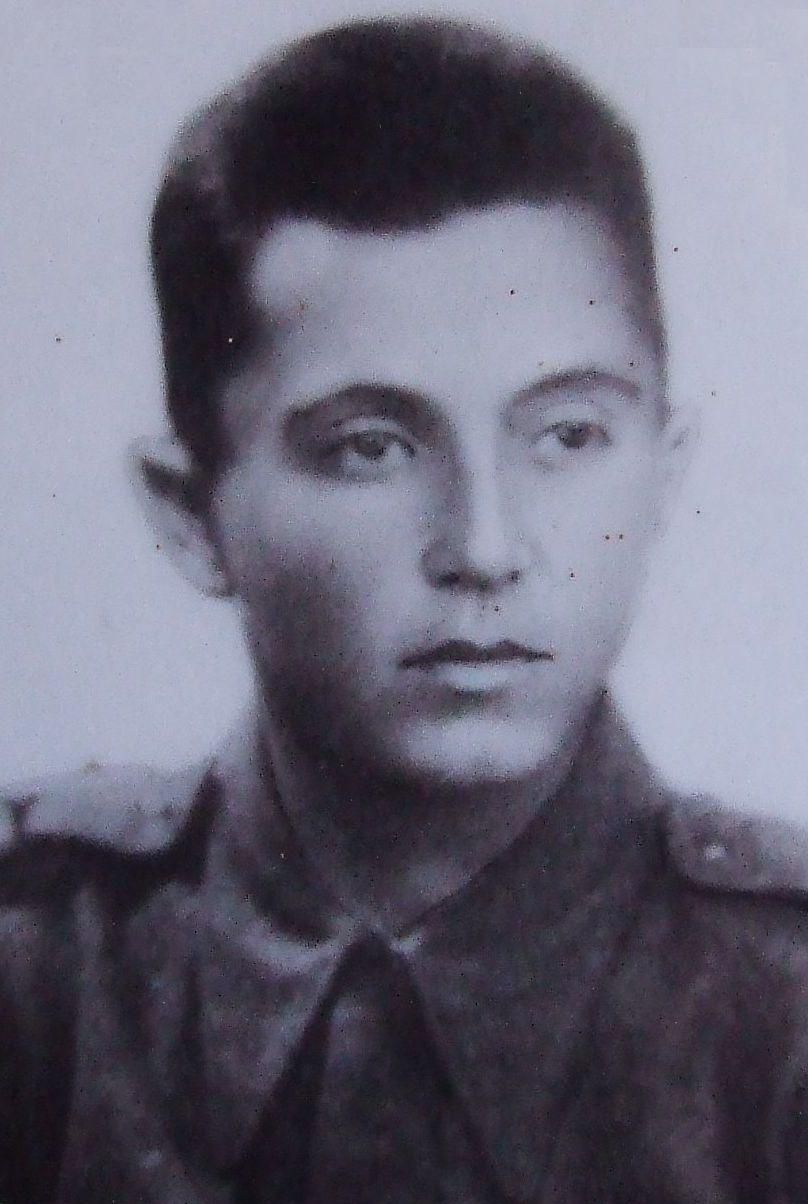
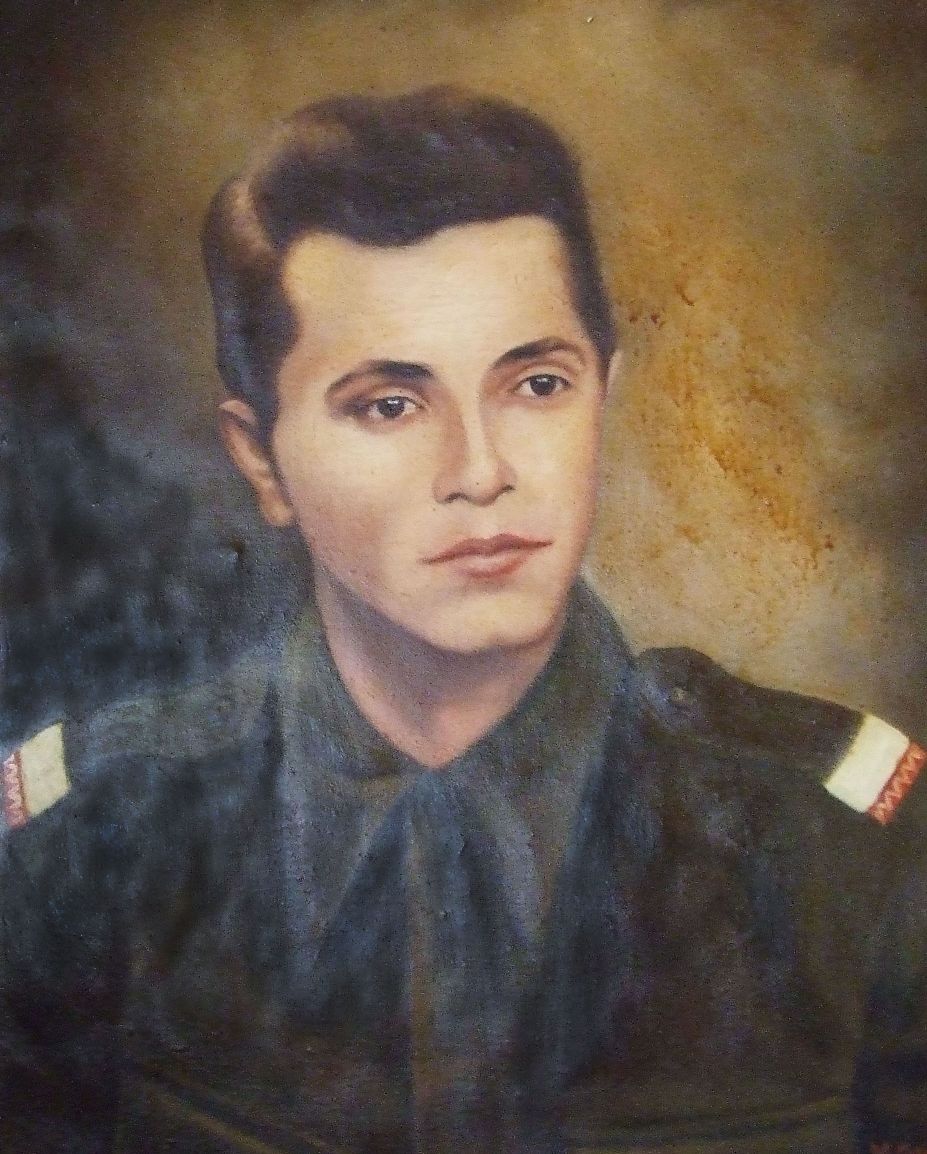
 Spiru Blănaru came from the commune of Crăiești in Galați County, where he was born in 1919. Spiru Blănaru is without doubt a resonant name when it comes to the armed anti-communist resistance in Romania. The hotnews.ro website published a series, "Saints of the Prisons", in which Spiru Blănaru's story begins by saying that he came to Banat in search of a better life. According to Corneliu Horescu (Blănaru), Spiru Blănaru's son, with whom I recently talked about his father's past, this story is not quite true. The testimony of his wife, Maria Blănaru, née Horescu, in the writings of Miodrag Milin also points to quite different circumstances. Spiru Blănaru was wounded at the front and later came to Banat, sent to the officers' school in Lugoj. It seems that a group of Legionnaires was parachuted behind the front line, and Spiru Blănaru, learning of this, ran off and joined them. Nicolae Horescu (Spiru Blănaru's father-in-law) was one of the men of Legionary views, and that is practically how Spiru came to Domașnea, where he lived half in hiding at people's mountain homesteads. Maria Horescu met Spiru in these circumstances; he was then a fourth-year student at the Faculty of Law in Iași, from which he graduated and became a lawyer. Spiru Blănaru formed a core of anti-communist resistance in this area and was one of the leaders of the partisan groups, alongside the group of Colonel Uță. Spiru Blănaru began organising the group together with Mihai Moșter and Romulus Marițescu of Teregova. They were joined by Commander Petru Domășneanu of Iablanița and by Gavrilă Miloș, a medical orderly from Domașnea. Another group in the same area as Spiru Blănaru's was the one led by the notary Gheorghe Ionescu of Teregova, a member of the National Liberal Party. After Colonel Uță's death in January 1949, this group joined Spiru Blănaru's.
 Spiru Blănaru came to work with Colonel Uță, although the latter, while prefect, had not treated the Legionnaires very well. The link between Uță and Spiru was made by Professor Berzescu. Another name tied to Spiru Blănaru's story is that of Filon Verca, who led the Legionary organisation in Banat and fled across the border, but sent word to Spiru Blănaru to start organising troops. Spiru Blănaru's group had 2 machine guns, one brought by Filon Verca from Germany (he was one of those parachuted in) and another brought by Dragu Grozăvescu. Besides these they had light weapons (submachine guns, Z.B. rifles, grenades). Those who collaborated with the newly installed regime were watched by the partisan groups, so in November 1948 Spiru Blănaru's group punished C. Novac, a railway worker who treated his fellow villagers in Teregova badly. The sentence was carried out by Romulus Marițescu. Also, on 22 February 1949, two well-known communists, Gheorghe Munteanu and Mihai Cherciu, were caught while taking a cart of hay to Teregova, taken to the group's hideout, questioned about the harm they had done to the people of the commune, and then sentenced and executed.
The half-clandestine life ended in January 1949, on St John's Day, when at about 9-10 in the evening the Securitate arrested Grigore Ianoșiga-Ionescu and Moise Anculia-Pasule, active members of the Legionary organisation in Teregova. At that point Spiru Blănaru and the men of his group decided to attack the gendarme post in Teregova to free the two prisoners. The attack began at 22:30, with a few grenades and a machine gun. The soldiers and gendarmes fled and the two men were freed. This was the moment that unleashed the fury of the Securitate, which for many years would spread fear and terror over the people of Domașnea and of the other villages with people involved in the resistance.
On 16 January 1949 a law came out providing the death penalty for everyone proven to be fighting the regime. There was practically no way back.
 All these actions put the Securitate on their trail. Once discovered, Spiru Blănaru and Gheorghe Ionescu decided to resist, so they ordered the men into battle formation. The clash took place at the Gorcanul point near Teregova and went on through the night of 22-23 February. Besides Spiru Blănaru, those reported in this fight were Gheorghe Ionescu, Romulus Marițescu, Nicolae Ghimboașă, Pavel Stoicescu, Mihai Moșter, Tudor Roșeț, Gheorghe Smultea, Petre Pușchiță, Petre Anculia and Gheorghe Ungureanu. The partisans Petre Anculia and Gheorghe Ungureanu died in the fighting. The partisans withdrew in small groups, pursued by the Securitate. A group made up of Spiru Blănaru, Ion Caraiman and Romulus Marițescu withdrew towards Feneș. There they went to Ion Caraiman's house for information and food, then to the place called Târsâtură, and from there they withdrew to a hut at Valea de Pești, where they stayed for a week. Then came the group's second visit to Feneș. Between these two visits, Caraiman's father-in-law betrayed them. In Ion Caraiman's house they were received with feigned warmth by Caraiman's father-in-law. Spiru realised something was not right. The father-in-law went outside and disappeared. Spiru and Caraiman quickly left the house and ran through the garden towards the forest. The Securitate followed and opened fire on them. They returned fire. Meanwhile Petru Berzescu and Iacob Cimpoca withdrew towards the forest. In this fight Ion Caraiman was killed and Spiru Blănaru was wounded in the leg. It was 12 March 1949. Spiru Blănaru was arrested and taken to the Securitate in Caransebeș.
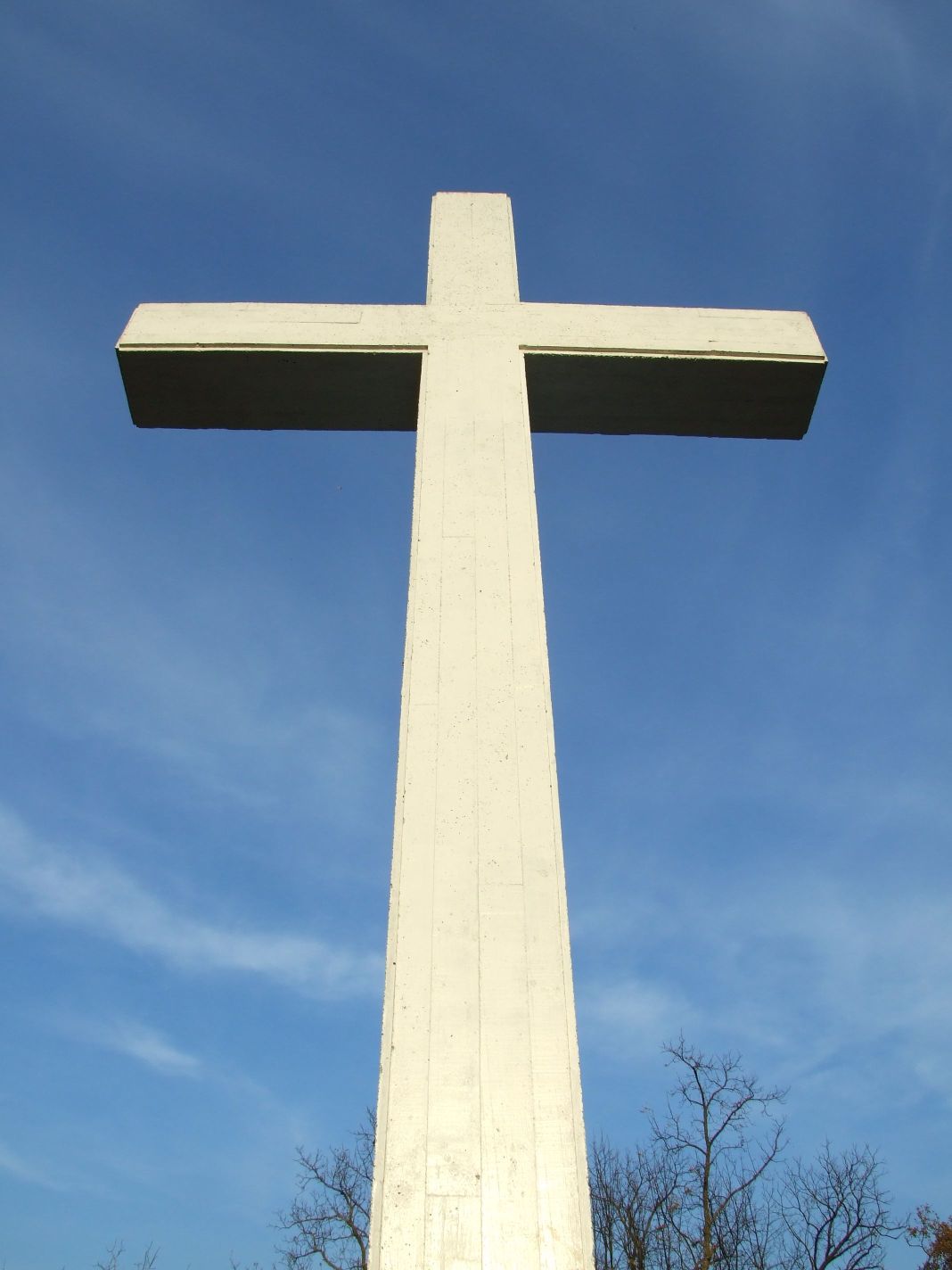
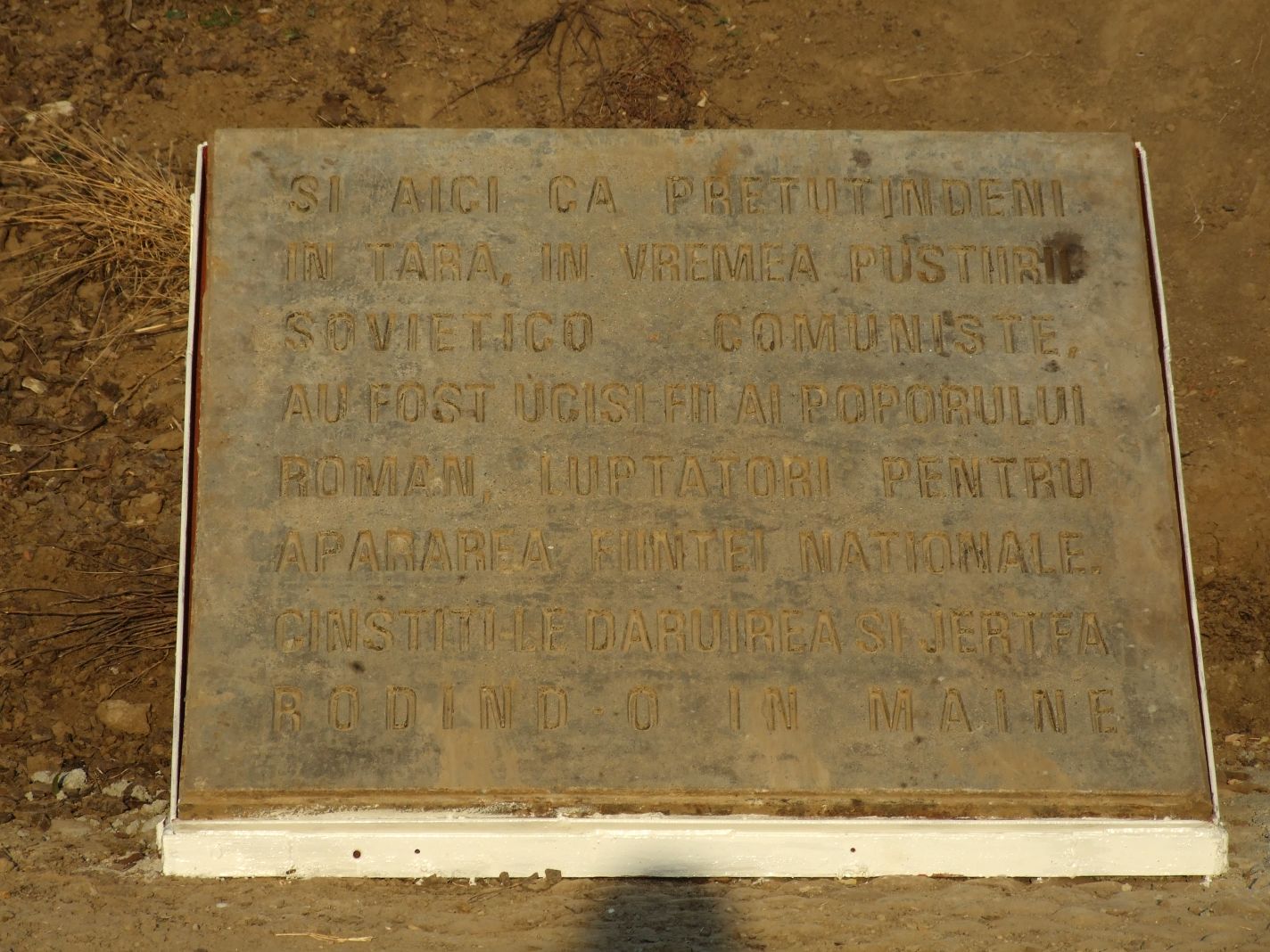
On 16 July 1992 a holy cross was raised in memory of those executed at Pădurea Verde (near the Village Museum in Timișoara) on 16 July 1949. At the initiative of the Timiș branch of the Association of Former Political Prisoners (AFDP) and of the "Memoria" foundation, the cross was raised and blessed on the spot where Spiru Blănaru, Petru Domășneanu, Romulus Marițescu, Ion Tănase and Petru Pușchiță-Mutașcu are believed to have been executed.
 Spiru Blănaru's thoughts, as recounted by Professor Berzescu, are memorable and a call to today's generations and to those who will come after us:
"Brother Tase Berzescu, we're caught as if in a vice. I don't know which of us two will come out alive. Still, I think you'll make it. It's good for you to know some of my thoughts." Sitting like that, side by side in the middle of the expanse of snow, I listened to what Spiru told me. The law providing the death penalty had already come out. This is what Spiru told me: A) "Since I've been here in the group with these men, determined to fight to the last, I've noticed something extremely important in the way they behave. Although we belong to different political camps, we get on like brothers. We make no distinction among ourselves. Here, as you know, there are many Legionnaires, National Peasantists, Liberals and soldiers. We've been together for so long, and I've never once heard them set themselves apart by political allegiance. We're all Romanians and we must be united before the enemy. Although the greatest sin of the Romanians is their lack of unity, here, despite that sin, we have managed to be united.
B) "In the face of danger, we remembered God. We all pray to escape from this devilish grip between good and evil. A friendship has been forged, the bond without which there will never be victory. C) "I would like my people at home, my family, to know, when the time is right, what I went through, what our living conditions were and what chances we had of victory over communism. We've come to terms with the thought that in the end we'll have to die. I, brother Tase, am certain I will die, and I entrust these thoughts of mine to you, not as a message but as the torments of a man. I would like my son, if he survives, and my wife too, to know what I went through. D) "I love our country, our Romanian people. I wish that one day it would be free, great and united. God be with it. May party divisions disappear. The Romanian people was born Christian. We have a moral duty to our children to leave them the true faith of our forebears as their inheritance, and a responsibility towards our ancestors, raised in the Christian law. Do this, my brother, and it is enough for me. May those who come after us know what we did and what we thought, we too, 'in the depth of the darkness'."
At this point a small dilemma gnaws at me. Various mayors have succeeded one another in Domașnea in the years since the events of December 1989. There have been initiatives to award the title of honorary citizen of the commune. Why has Spiru Blănaru, who, though born in Moldavia, has a destiny deeply bound to Domașnea, not received this title? Timișoara has taken this step. There is even a street named after him in Timișoara. The historian Nicolae Iorga said that "History mocks those who do not know it, by repeating itself." One of the aims of this site is to let us learn more about our past, so that we do not end up in that situation. That is why this series of recoveries will continue.
We thank Mr. Cornel Horescu for the photographs he provided. The photographs of the monument at Pădurea Verde were taken in November 2011.
Bibliography:
[1]. Atanasie Berzescu, Lacrimi și sânge: Rezistența anticomunistă armată din munții Banatului (Tears and Blood: The Armed Anti-Communist Resistance in the Banat Mountains), Editura Marineasa, 1999
[2]. Cicerone Ionițoiu, Rezistența anticomunistă din munții României 1946-1958 (The Anti-Communist Resistance in the Mountains of Romania, 1946-1958), http://www.procesulcomunismului.com
[3]. Miodrag Milin, Rezistența anticomunistă din Domașnea, relatări ale consătenilor (The Anti-Communist Resistance in Domașnea: Accounts by Fellow Villagers)